
AI-generated voiceovers have become a standard part of the content creation toolkit in 2026. Whether you produce YouTube tutorials, podcasts, or social media clips, the right voice generator saves hours of recording and editing. This guide breaks down the best AI voice tools available today, what each one does well, and how to pick the right option for your workflow.
What Makes a Good AI Voice Generator in 2026
The voice generation landscape has shifted considerably over the past year. Models now produce speech that is difficult to distinguish from human recordings in blind comparison tests. Here is what separates the top tools from the rest:
The features that matter most are naturalness (prosody, pacing, emotional inflection), voice cloning from short audio samples, multilingual support, editor integration, and API access for automated batch processing. The tools below represent the strongest options across these criteria, tested with real content production workflows.
ElevenLabs
ElevenLabs remains the benchmark for voice quality in 2026. The platform produces voices with natural emotional expression, subtle breathing patterns, and consistent pacing that holds up across long-form content. Its voice cloning requires only a few minutes of sample audio and produces results that closely match the source speaker.
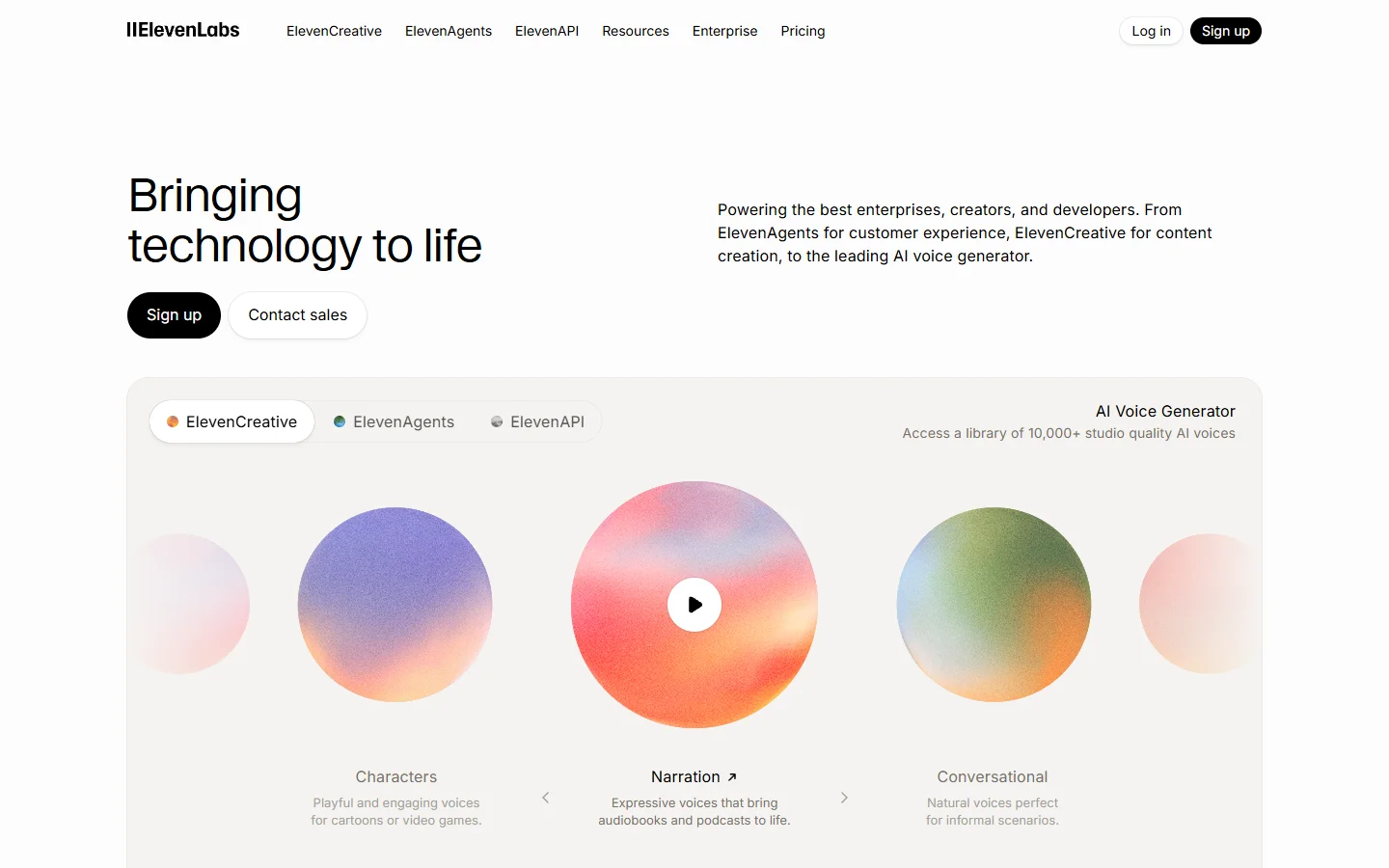
Key strengths include multilingual support across 30+ languages, a projects feature for managing audiobook-length content, and a well-documented API that handles high-volume requests. The free tier is limited to 10,000 characters per month, which is enough for testing but not production use. Paid plans start at $5/month for 30,000 characters. Professional creators working with an end-to-end AI content pipeline will find ElevenLabs integrates well through its REST API and official SDKs.
Best for: YouTubers, audiobook producers, and game developers who need the highest voice quality available.
Murf AI
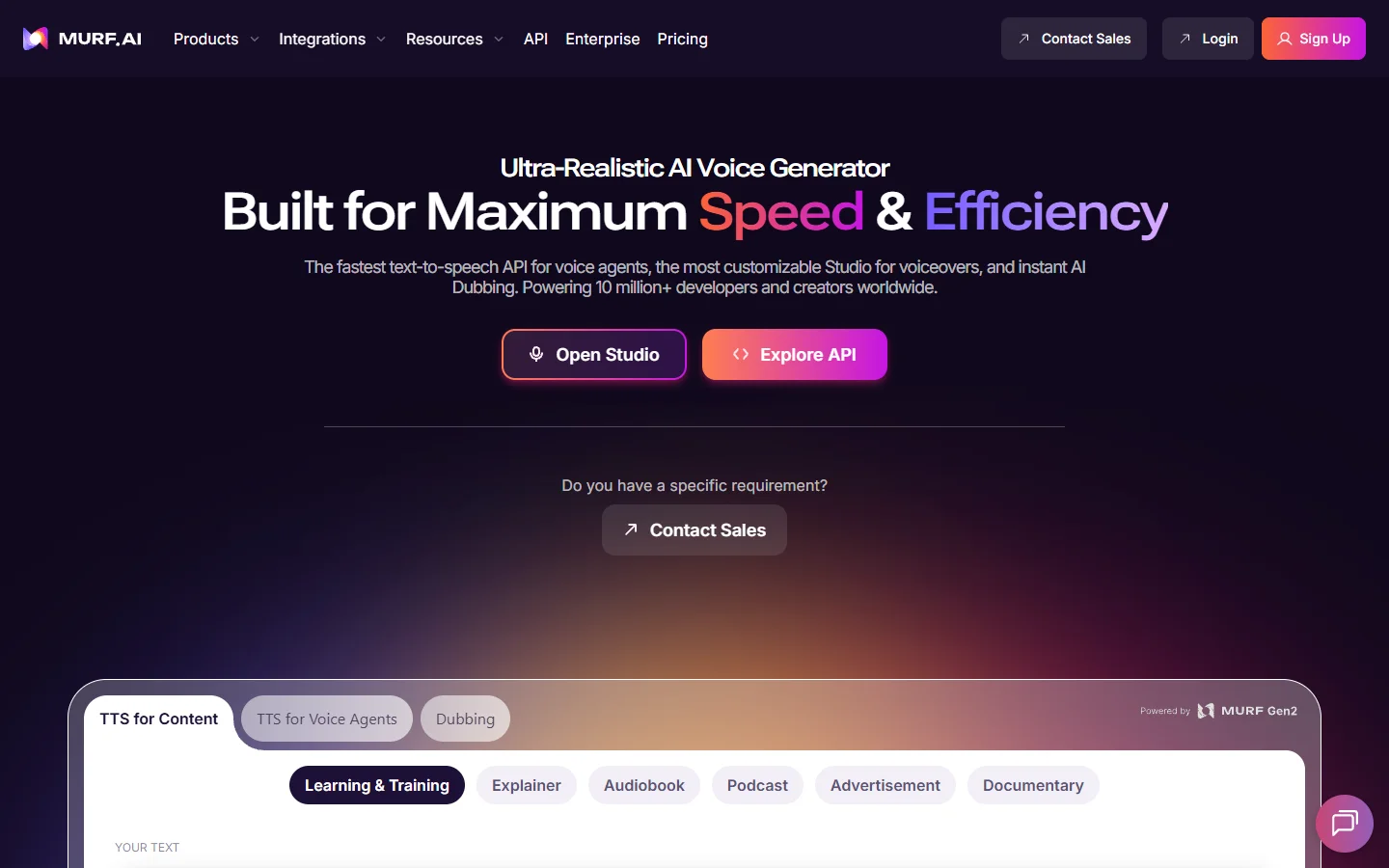
Murf positions itself as a studio-grade voiceover platform built for teams. The interface is clean and designed around a timeline editor, making it straightforward to sync voiceover with video or presentation content.
What sets Murf apart is its collaboration features. Multiple team members can work on the same project, leave comments, and iterate on voiceover timing. This makes it practical for marketing teams and agencies that need collaborative voiceover editing for video projects.
LOVO (Genny)
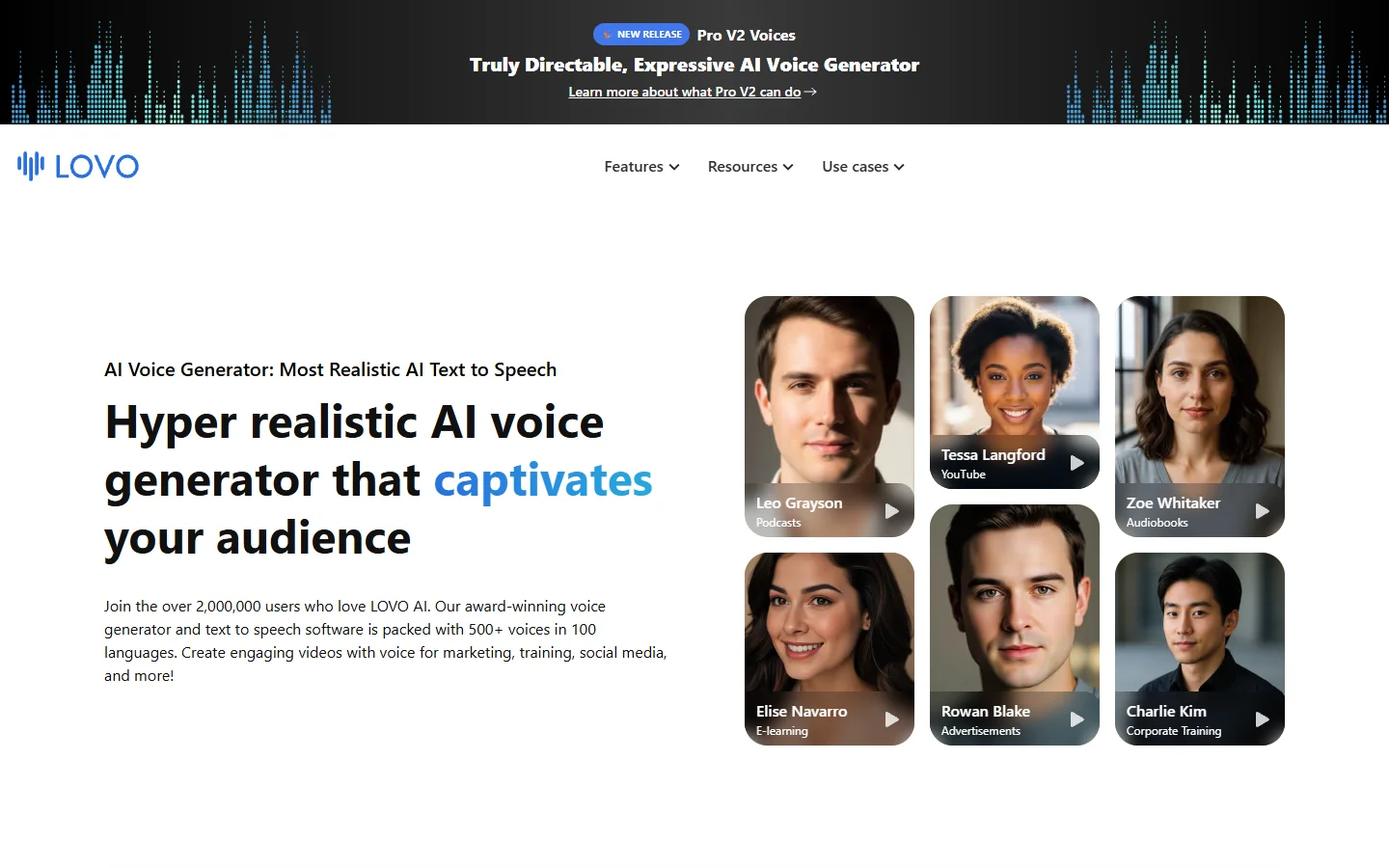
LOVO’s Genny platform combines text-to-speech with a built-in video editor and AI script writer. The platform supports 500+ voices across 100+ languages with 30 distinct emotional styles, making it useful for creators who produce ad content for social media.
The standout feature is the all-in-one workflow: write a script, generate voiceover, and assemble a video with stock footage without leaving the platform. For YouTube creators who want to go from outline to finished voiceover video in a single session, Genny reduces the tool-switching overhead significantly.
Descript

Descript takes a different approach by embedding voice generation inside a full audio and video editor. You edit speech by editing text in a transcript, and Descript’s AI voice model fills in corrections matched to your voice and pacing.
The voice cloning capabilities are particularly useful for podcasters. Rather than re-recording an entire segment, you fix individual words or sentences. The tool also handles filler word removal, silence trimming, and multi-track editing. Pricing starts at $24/month for the Pro plan.
Fish Audio
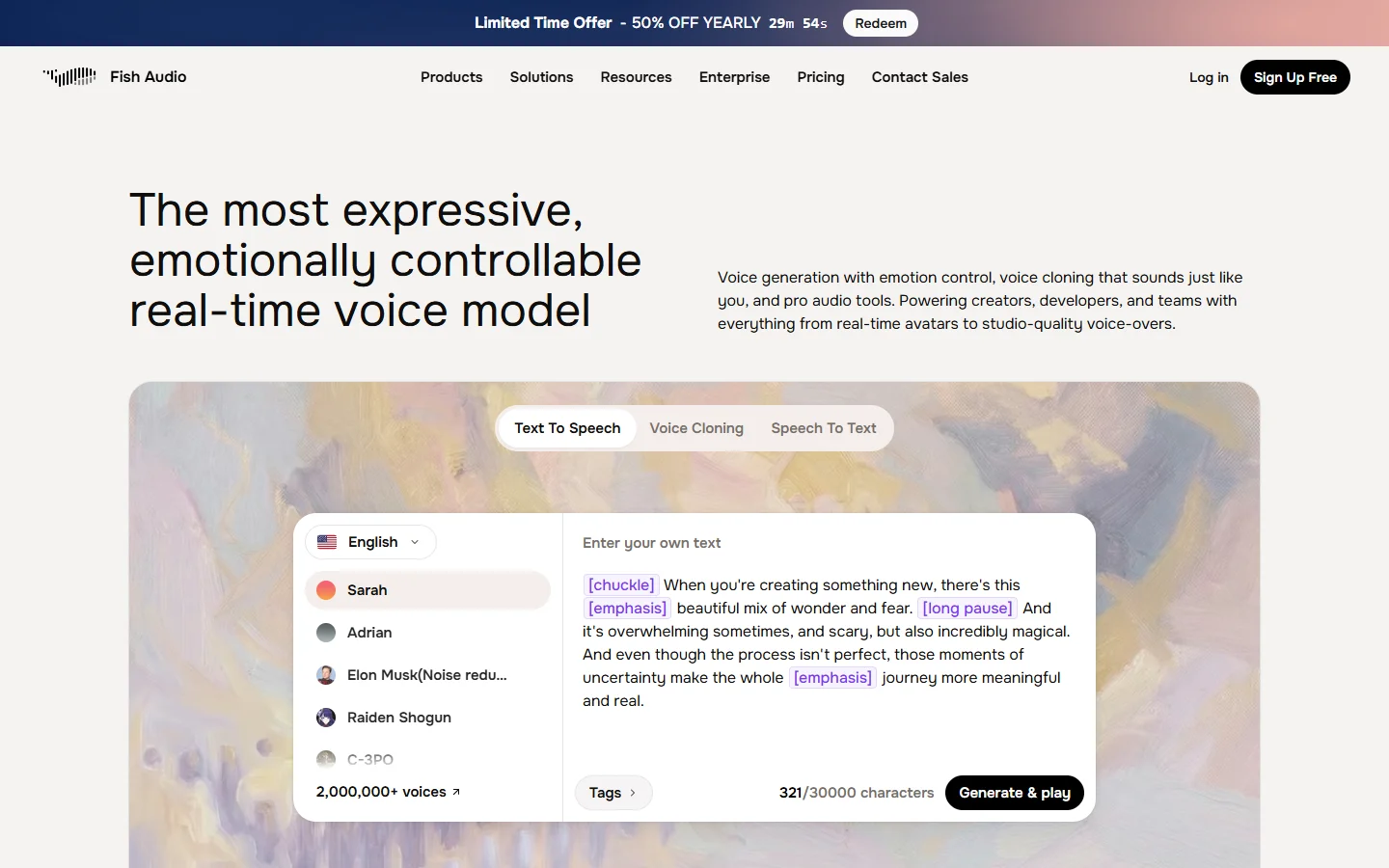
Fish Audio is the most underrated option in this list. Its voice cloning quality competes with tools costing three times more, and it supports 40+ languages. The open-source foundation means the community contributes models and improvements continuously.
For budget-conscious creators, Fish Audio offers generous free usage and affordable paid tiers. The API documentation is solid, and the platform handles batch processing well. You can browse more AI tools for creative production to compare options across categories.
Speechify
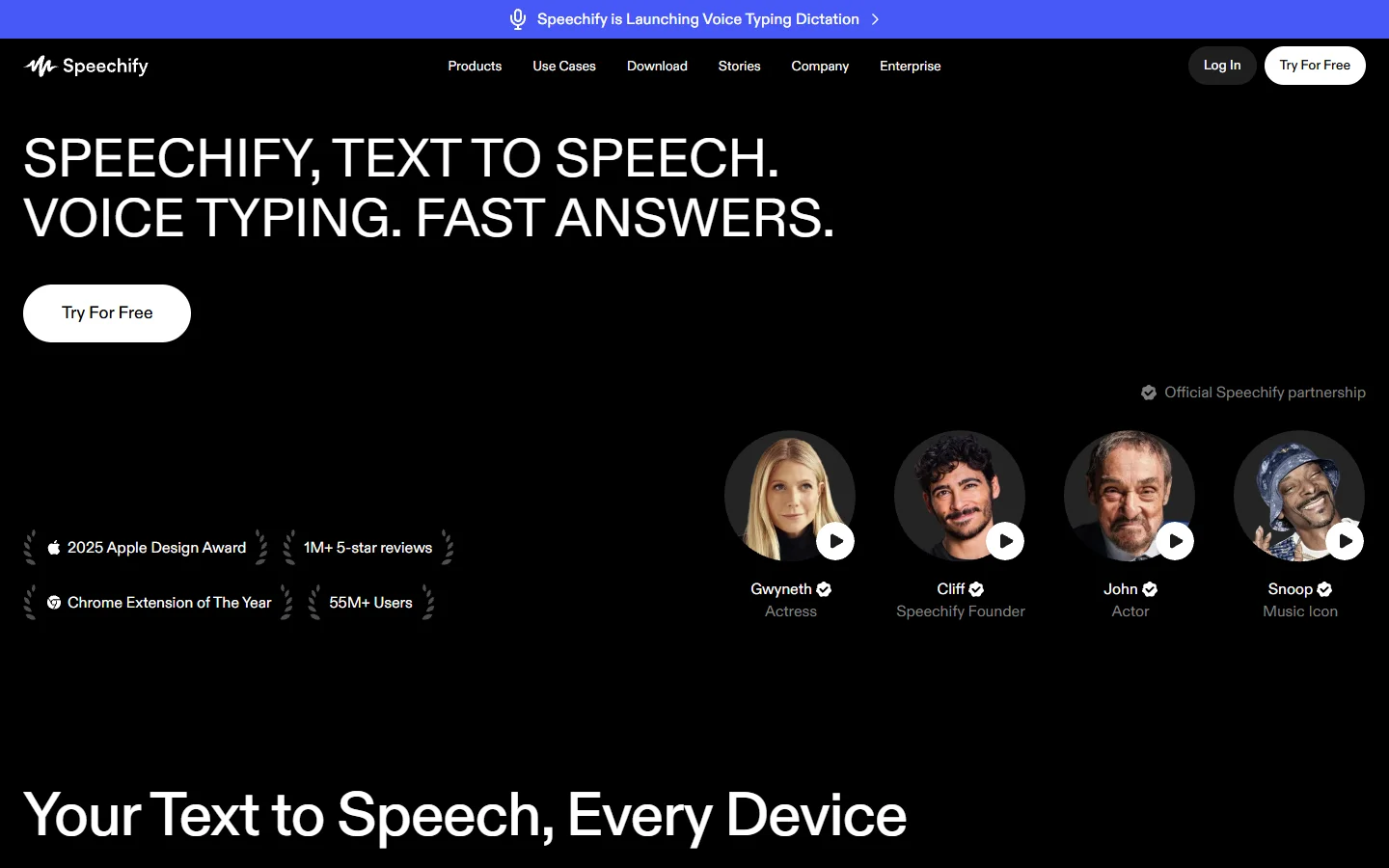
Speechify started as a text-to-speech reader and has expanded into a full voice generation studio. The platform now offers 1,000+ voices across 60+ languages, with particular strength in converting written content into natural-sounding audio.
A unique feature is OCR scanning that reads text from images and screenshots, then converts it to speech. This is useful for repurposing visual content into audio format. The Chrome extension and mobile apps make it accessible across devices.
WellSaid Labs
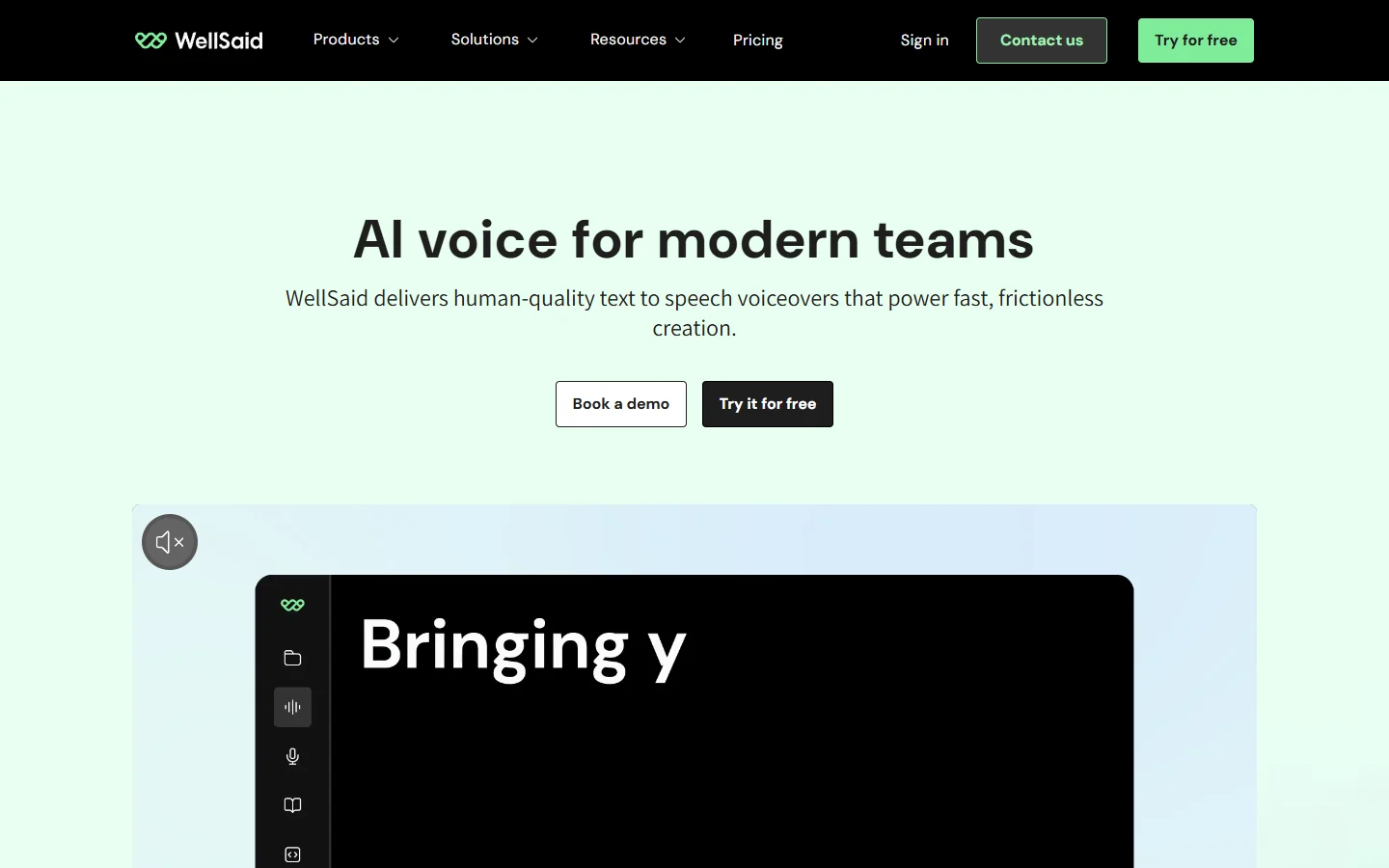
WellSaid Labs focuses on enterprise-grade voice generation with an emphasis on brand consistency. The platform lets companies create custom voice avatars that maintain a consistent tone across all content, from product demo videos to training modules.
The voice quality is among the best in the industry, with output that sounds polished and professional. WellSaid offers team management tools, usage analytics, and SOC 2 compliance for enterprise content teams. Pricing is custom for enterprise clients.
Comparison Table
Here is a side-by-side comparison of the top voice generation platforms covered in this guide:
| Tool | Voice Cloning | Languages | Free Tier | Starting Price | Best Use Case |
|---|---|---|---|---|---|
| ElevenLabs | Yes | 30+ | 10k chars/mo | $5/mo | Highest quality voices |
| Murf AI | No | 20 | Limited | $23/mo | Team collaboration |
| LOVO (Genny) | Yes | 100+ | Limited | $25/mo | Script-to-video |
| Descript | Yes | 1 | Limited | $24/mo | Podcast/video editing |
| Fish Audio | Yes | 40+ | Generous | $9/mo | Budget multilingual |
| Speechify | No | 60+ | Yes | $12/mo | Document-to-audio |
| WellSaid Labs | Custom | 10+ | No | Custom | Enterprise branding |
How to Choose the Right Voice Generator
Selecting the right tool depends on three factors: your primary content format, your budget, and whether you need voice cloning capabilities.
If you prioritize voice quality above all else, start with ElevenLabs. If you work in a team, Murf AI’s collaboration features reduce coordination overhead. For an all-in-one solution, LOVO Genny combines scripting, voiceover, and video editing in one interface. Podcasters should look at Descript’s transcript-based editing, and budget-conscious creators will find Fish Audio delivers strong cloning at a fraction of the cost.
For creators who already use automated pipelines for image or video production, adding voice generation via API is straightforward. An AI creative workflow platform can chain text-to-speech with other generation steps so the entire content pipeline runs from a single trigger.
FAQ
Which AI voice generator sounds the most realistic? ElevenLabs consistently produces the most natural-sounding output in independent comparisons. The voices handle emotional inflection, pauses, and breathing patterns better than competing platforms.
Can I clone my own voice with AI? Yes. ElevenLabs, LOVO, Descript, and Fish Audio all offer voice cloning features. ElevenLabs and Fish Audio need only a few minutes of sample audio. Descript requires a longer training set but integrates the clone directly into its editor.
Are AI-generated voices legal to use commercially? Yes, provided you use voices you have rights to. Stock voices from licensed platforms are cleared for commercial use. Cloning someone else’s voice without permission raises legal and ethical concerns. Always check each platform’s terms of service.
What is the best free AI voice generator? Fish Audio offers the most generous free tier with voice cloning included. Speechify and ElevenLabs also have free tiers, though with tighter usage limits. For testing purposes, most platforms offer enough free usage to evaluate quality before committing.
How many languages do AI voice generators support? Coverage varies widely. LOVO leads with 100+ languages, followed by Speechify (60+), Fish Audio (40+), and ElevenLabs (30+). If you produce content in multiple formats and languages, check that your target languages are supported before committing.
Can I use AI voices for YouTube monetization? Yes. YouTube does not prohibit AI-generated voiceovers. Many successful channels use AI voices for explainer videos, listicles, and tutorials. The key is ensuring the content itself provides value, as YouTube’s policies focus on content quality rather than voice source.
Do AI voice generators work with video editing software? Most platforms export in standard audio formats (MP3, WAV) that import into any video editor. Descript and LOVO go further by including built-in video editing, so you can produce the final video without exporting audio separately.
Conclusion
The AI voice generation market in 2026 offers strong options at every price point and use case. ElevenLabs leads on raw quality, LOVO Genny provides the most complete production suite, and Fish Audio offers the best value for multilingual creators. The right choice depends on where voice generation fits in your content workflow, whether that is a standalone recording session or part of a larger automated pipeline. Test two or three platforms with your actual content before committing to a paid plan.