Midjourney changed what people expect from AI image generators, but it is not the only option in 2026. Between pricing, Discord-only access, and limited free tiers, plenty of creators are looking for strong alternatives. The good news: the field has matured, and several tools now match or exceed Midjourney in specific areas like photorealism, text rendering, or open-source flexibility. This guide covers the best AI image generators worth considering right now.
Why Look Beyond Midjourney?
Midjourney delivers consistently high-quality results, especially for artistic and stylized imagery. But there are practical reasons to explore alternatives:
- No standalone app: Midjourney still operates primarily through Discord, which is not ideal for professional creative workflows.
- Pricing: The Basic plan starts at $10/month with limited generations. Heavy users pay $30-60/month.
- Limited control: No inpainting, outpainting, or fine-grained editing built into the core tool.
- No API access on lower tiers: Developers and teams building products on top of image generation need API-first platforms.
If any of these apply to you, the alternatives below are worth evaluating.
FLUX (Black Forest Labs)
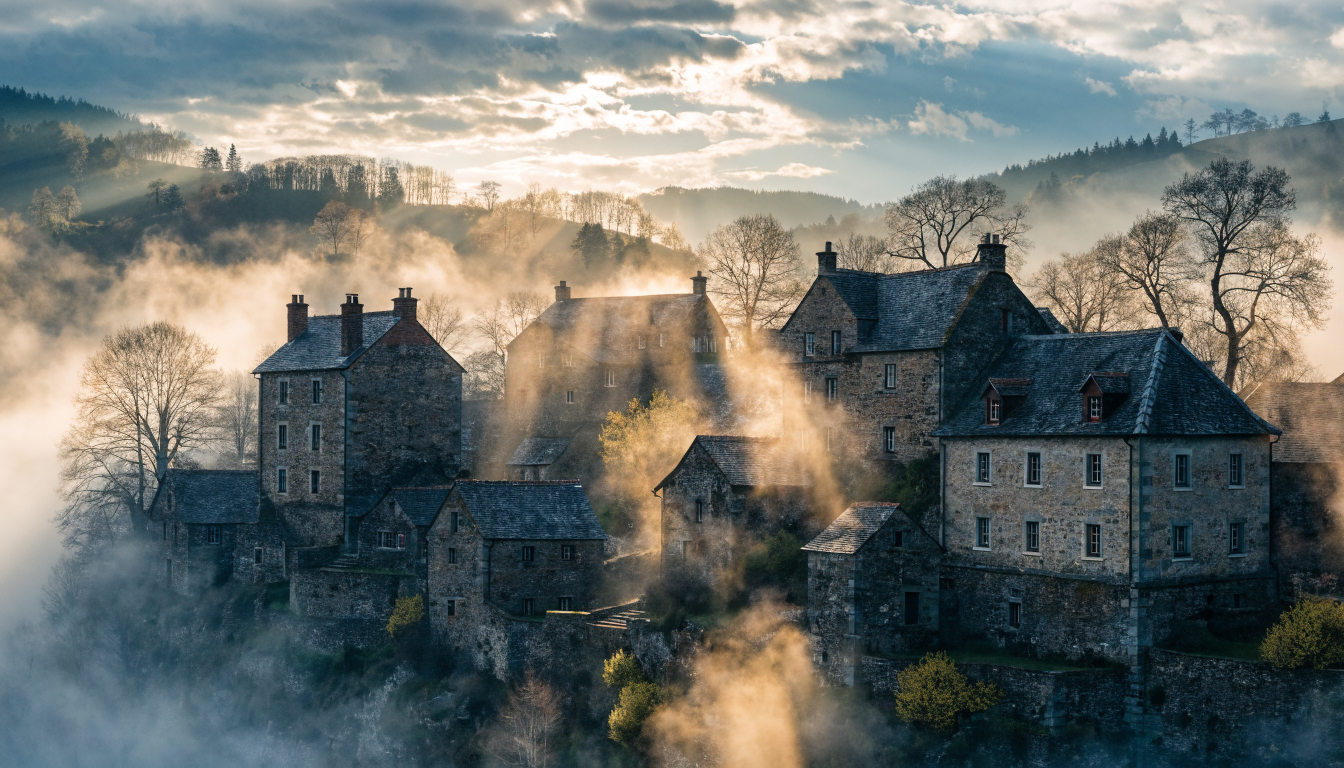
FLUX models from Black Forest Labs have become a serious contender in 2026. The FLUX 1.1 Pro model produces photorealistic images with strong coherence, accurate text rendering, and natural lighting. FLUX also offers a real-time variant for near-instant previews and a dev model for local experimentation.
Best for: Photorealism, text in images, open-weight experimentation.
Pricing: API-based through partners (fal.ai, Replicate). FLUX Dev is open-weight and free to run locally.
Leonardo.ai
Leonardo.ai combines image generation with a full creative suite: canvas editing, texture generation, 3D asset creation, and motion features. Its model library includes both proprietary and community-fine-tuned options, making it flexible for different styles. If you are exploring AI photo generation for realistic images, Leonardo is a strong contender with its Phoenix model.
Best for: Game art, concept design, iterative creative workflows.
Pricing: Free tier with 150 daily tokens. Paid plans from $10/month.
Adobe Firefly
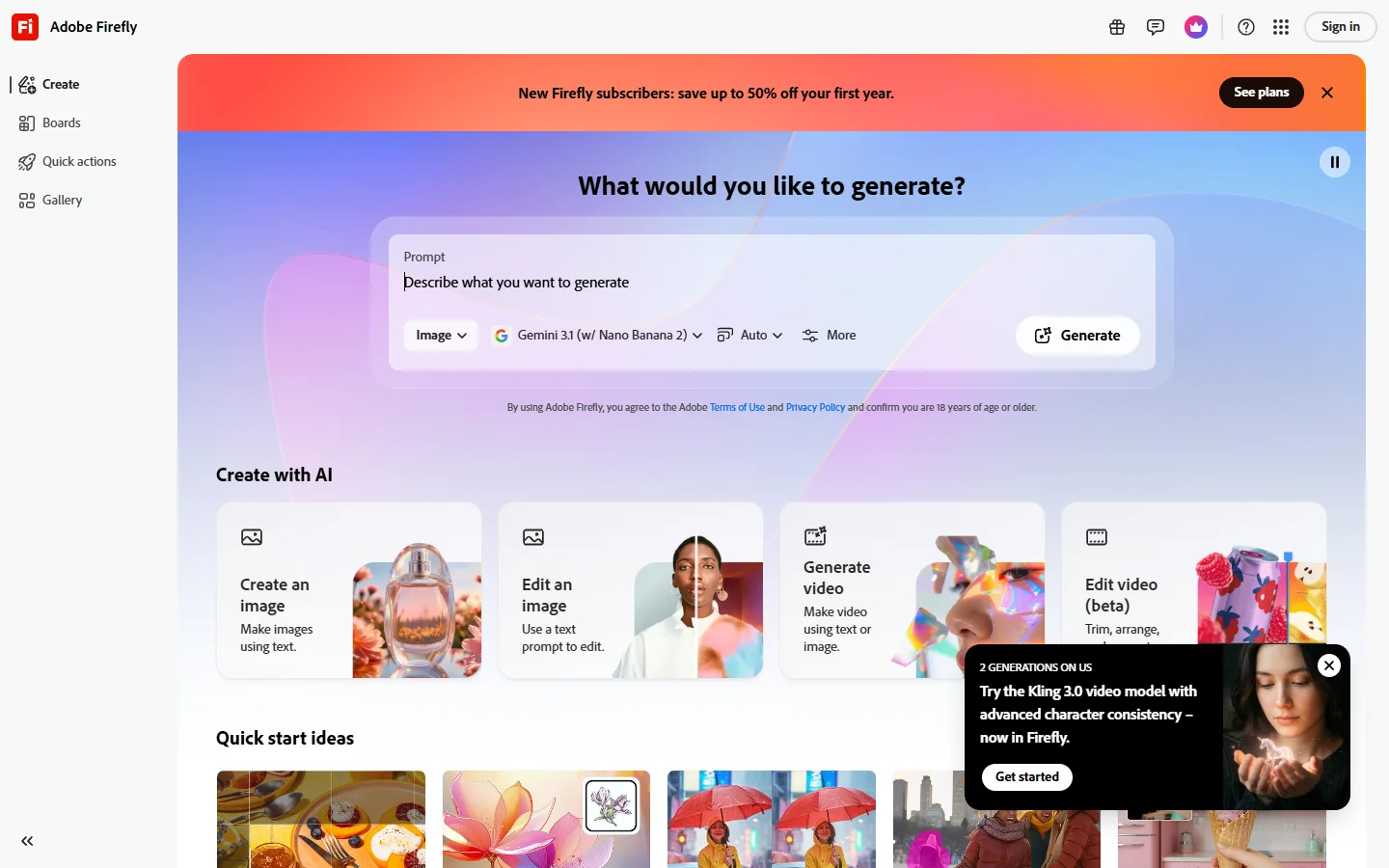
Adobe Firefly is trained exclusively on licensed content (Adobe Stock, public domain), which makes it the safest choice for commercial use. It integrates directly into Photoshop, Illustrator, and Express, so you can generate and edit in the same workspace. For teams that need editing and retouching tools alongside generation, this integration is a significant advantage.
Best for: Commercial projects, brand-safe content, Adobe workflow integration.
Pricing: Included with Creative Cloud plans. Standalone Firefly plan starts at $4.99/month.
DALL-E 3 (OpenAI)
DALL-E 3 is built into ChatGPT and accessible through the OpenAI API. Its main strength is prompt adherence; it follows complex, multi-part instructions more accurately than most competitors. The conversational interface makes it approachable for non-technical users who want to iterate through natural language.
Best for: Prompt accuracy, conversational iteration, API integration.
Pricing: Included with ChatGPT Plus ($20/month). API pricing is per-image.
Ideogram
Ideogram has carved out a niche with the best text rendering of any AI image generator. If you need legible text on posters, logos, social media graphics, or mockups, Ideogram consistently outperforms alternatives. Version 3.0 also improved photorealism significantly. Learning good prompt techniques helps get the most out of any of these tools, including Ideogram.
Best for: Text-heavy designs, social media graphics, logo concepts.
Pricing: Free tier available. Pro plan at $8/month.
Google ImageFX (Imagen 3)
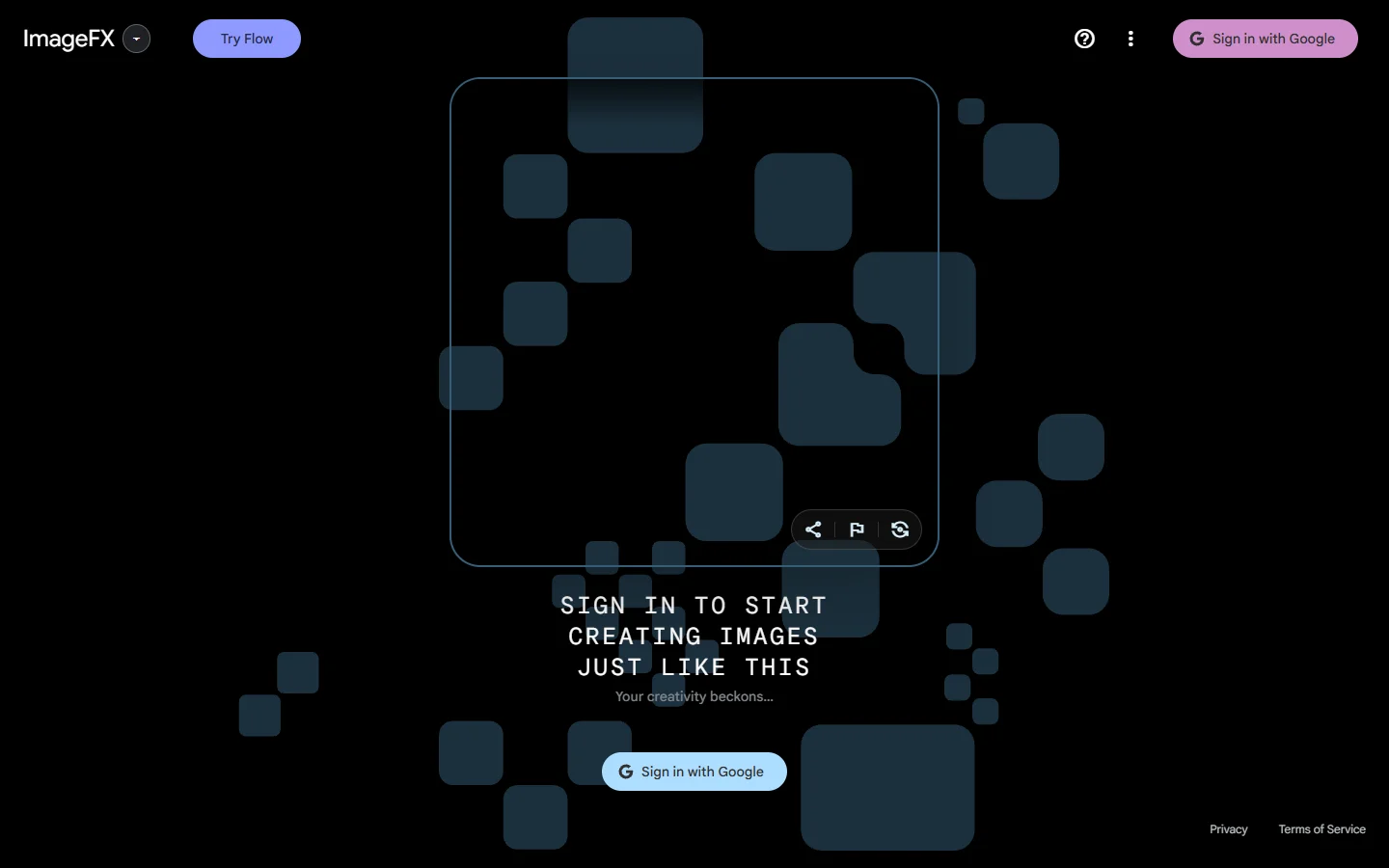
Google ImageFX runs on the Imagen 3 model and is free to use through AI Test Kitchen. It produces clean, photorealistic results with good prompt following. The interface is minimal but effective, with an “expressive chips” system that suggests prompt variations you might not have considered.
Best for: Free high-quality generation, photorealism, quick experimentation.
Pricing: Free (requires Google account).
Stable Diffusion
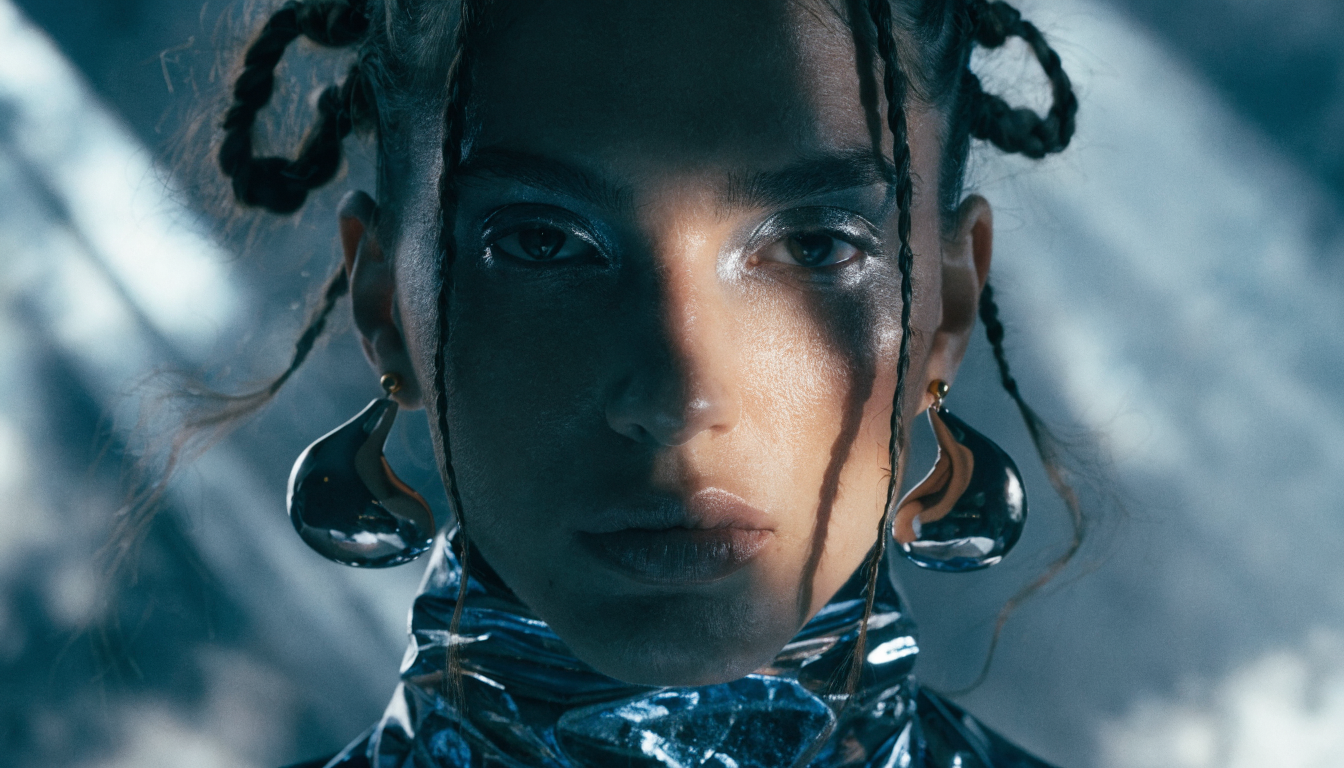
Stable Diffusion remains the go-to choice for users who want full control. As an open-source model, you can run it locally, fine-tune it on custom datasets, and integrate it into any pipeline without per-image costs. The SDXL and SD3 variants have closed the quality gap with proprietary models, and the ecosystem of LoRAs, ControlNet, and community tools is unmatched. If you want to understand how open models compare to commercial ones, this overview of FLUX provides helpful context.
Best for: Local/offline generation, custom fine-tuning, developer pipelines.
Pricing: Free (open source). Cloud hosting costs vary by provider.
Comparison Table
| Tool | Best For | Free Tier | API Access | Text Rendering | Commercial Safety |
|---|---|---|---|---|---|
| FLUX | Photorealism, text in images | Dev model (local) | Yes | Strong | Model-dependent |
| Leonardo.ai | Game art, creative workflows | 150 tokens/day | Yes | Moderate | Yes |
| Adobe Firefly | Commercial use, brand safety | Limited | Yes | Moderate | Excellent |
| DALL-E 3 | Prompt accuracy | Via ChatGPT free tier | Yes | Good | Yes |
| Ideogram | Text-heavy designs | Yes | Yes | Excellent | Yes |
| Google ImageFX | Free photorealism | Unlimited | No public API | Good | Yes |
| Stable Diffusion | Full control, fine-tuning | Open source | Self-hosted | Varies by model | User responsibility |
How to Choose the Right Alternative
Picking the right tool depends on your specific needs. Here is a practical framework:
- If you need commercial safety: Adobe Firefly’s licensed training data removes legal ambiguity. This matters for agencies and brands.
- If you want maximum quality for free: Google ImageFX and FLUX’s real-time model offer strong output at no cost.
- If you need text in images: Ideogram and FLUX 1.1 Pro lead the field in accurate text rendering.
- If you are building a product: DALL-E 3’s API and FLUX’s open-weight models give you the most integration flexibility.
- If you want full control: Stable Diffusion lets you run everything locally and fine-tune to your exact specifications.
Frequently Asked Questions
What is the best free alternative to Midjourney?
Google ImageFX (Imagen 3) offers the best free experience with unlimited generations and high-quality photorealistic output. FLUX Dev is also free if you are comfortable running models locally. Check the FLUX prompts library for examples of what you can generate.
Which AI image generator has the best photorealism?
FLUX 1.1 Pro and Midjourney v6 are currently the closest competitors for photorealism. DALL-E 3 and Google ImageFX also produce strong results, though with slightly different rendering characteristics.
Can I use AI-generated images commercially?
It depends on the tool. Adobe Firefly is the safest option since it trains only on licensed content. Most other tools allow commercial use under their terms of service, but the legal landscape around AI training data is still evolving. See this comparison of AI image tools for more details on licensing.
Which tool is best for generating text in images?
Ideogram consistently produces the most accurate and legible text rendering. FLUX 1.1 Pro is a close second, especially for short text overlays on photorealistic AI-generated scenes.
Do I need a powerful GPU to use these tools?
Only if you run Stable Diffusion or FLUX Dev locally. All other tools on this list are cloud-based and work from any browser. The FLUX real-time model runs entirely in the cloud with near-instant results.
Is Midjourney still worth using in 2026?
Yes, for certain use cases. Midjourney excels at artistic, stylized imagery and has a strong community. But if you need API access, commercial safety, text rendering, or free usage, the alternatives listed here cover those gaps.
What is the difference between FLUX Pro and FLUX Dev?
FLUX Pro is a proprietary, API-only model optimized for maximum quality. FLUX Dev is an open-weight variant you can run and modify locally, with slightly lower fidelity but full customization freedom.
Conclusion
The AI image generation space in 2026 offers genuine choice. Midjourney remains strong for artistic work, but tools like FLUX, Leonardo.ai, and Adobe Firefly have closed the gap in quality while offering better pricing, API access, or commercial safety. For most creators, the best approach is to try two or three tools with the same prompt and compare outputs side by side. The right alternative depends less on which model is “best” and more on which workflow fits your actual needs.